

Developing a Curriculum with the National Geographic Explorer-Educator Exchange
What does it mean to steward a history?

I learned about Japanese American incarceration in the fourth grade.
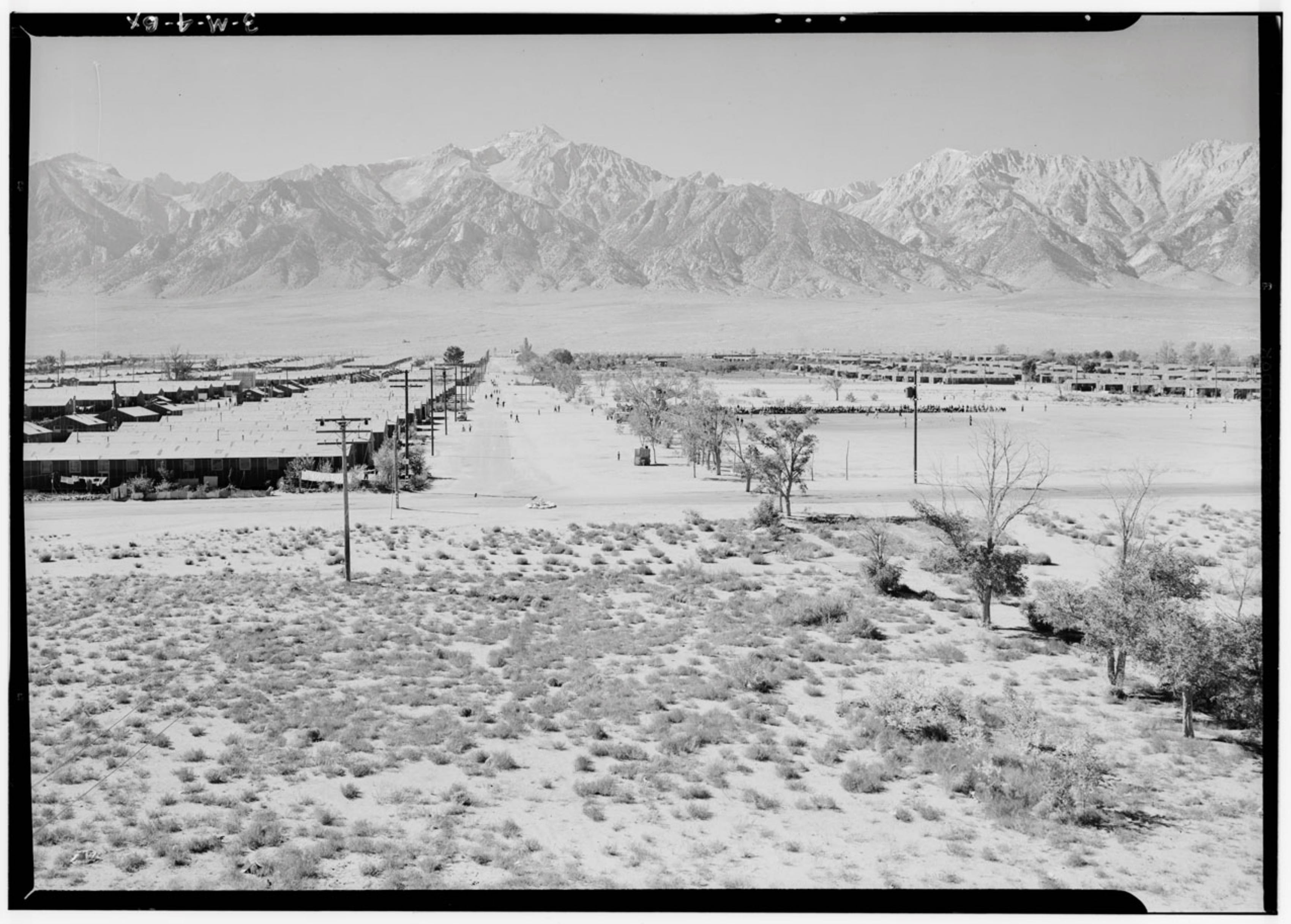
The section comprised a scant paragraph in our textbook, accompanied by a black and white Ansel Adams photo of Manzanar. In the photo, the Sierra Nevadas loomed majestically over a grid of barracks: barely an afterthought in this sweeping image of The Great American Landscape. The photograph felt quiet, orderly, and—dare I say it—even beautiful.
During the brief lesson, we learned that Japanese Americans were sent away to “internment” camps after Pearl Harbor for up to four years during the war. There was a brief mention of subpar food and frequent dust storms, and that some incarcerees resorted to playing baseball to pass the time.
Then, we moved on.
As a Japanese immigrant with no family connection to the camps, that was the most exposure I had to this history.
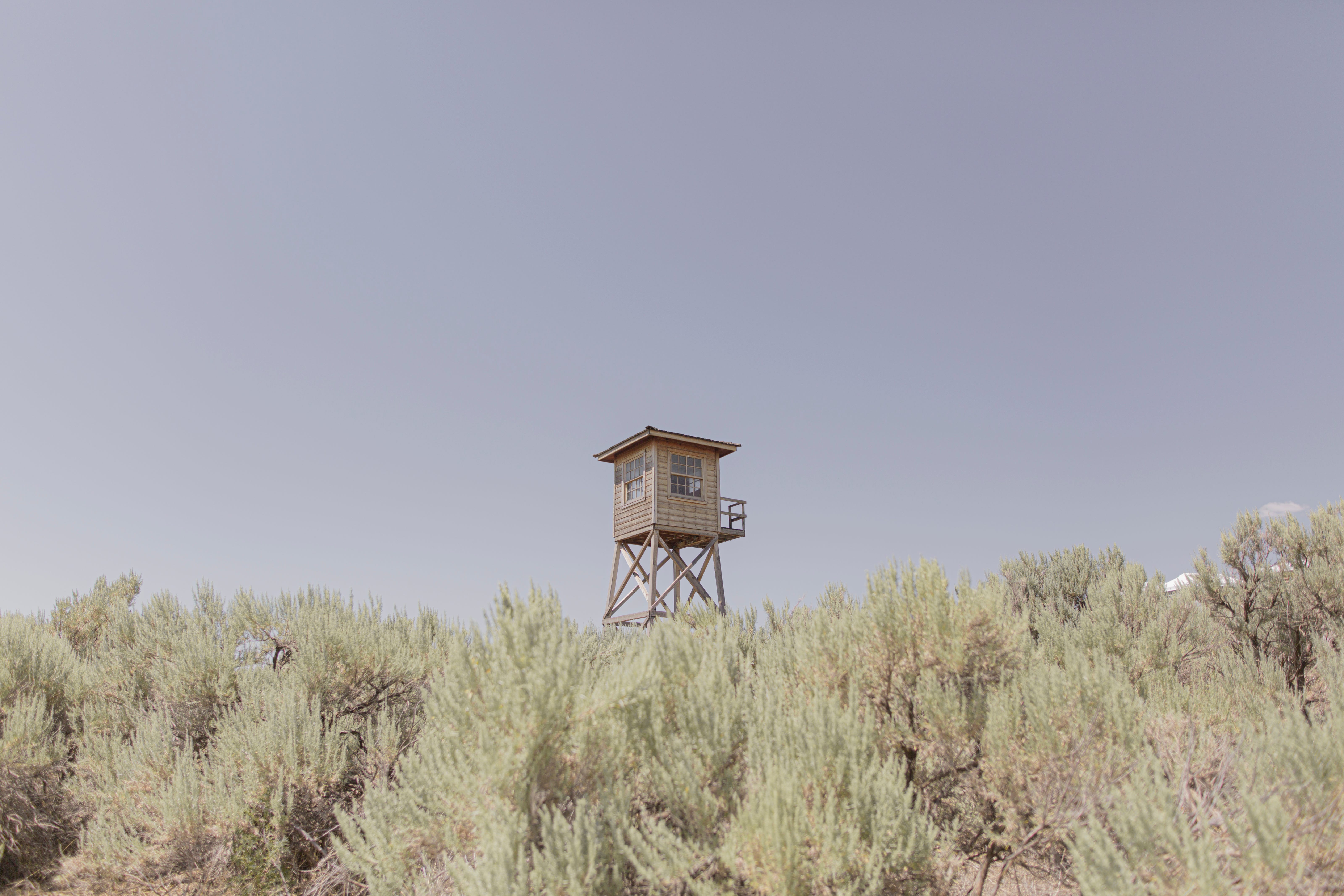
Cut to: two decades later. I found myself standing at the edge of a vast landscape, reminiscent of Ansel Adams’ Manzanar.
Except this time, I was no longer a student; I was pursuing a career in photojournalism. I had just secured a grant from National Geographic Society to work on The Camps America Built. And instead of Manzanar, I was standing in Minidoka, another camp where Japanese Americans were incarcerated during World War II.
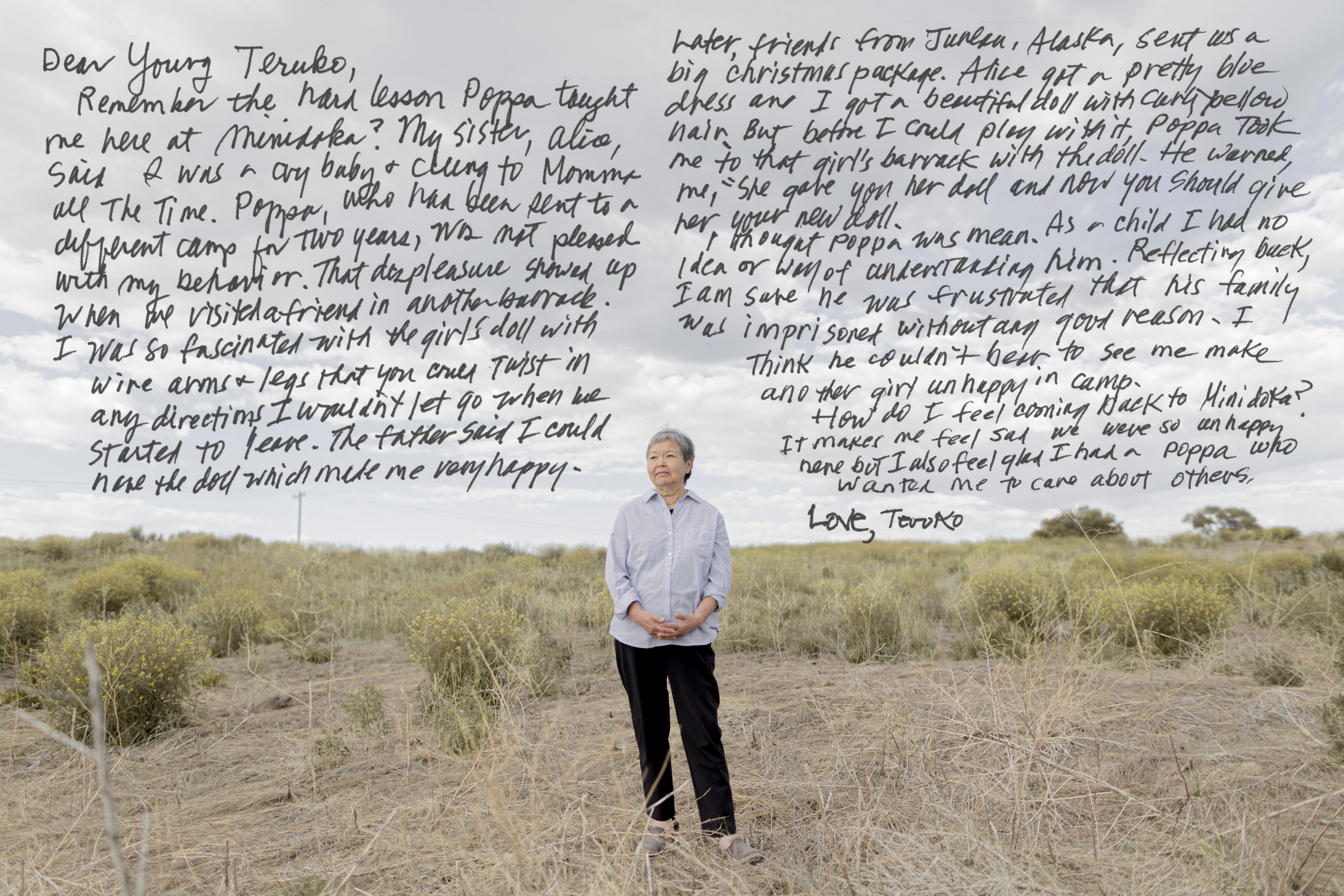
It was there that I met Mary Abo, a surviving incarceree of Minidoka. When I introduced myself and the project, she generously agreed to participate.
After we made a portrait of her at the camp where she grew up, Mary shared that she is a retired teacher. I told her about my encounter with the Manzanar photo in the fourth grade, and we lamented over how little this history is taught in our classrooms. We continued to keep in touch over the years.
A few years later, I was accepted into the National Geographic Explorer-Educator Exchange Program, which pairs National Geographic Explorers with educators to develop a curriculum based on their work.
I was matched with the inimitable Amy King, a veteran high school history teacher at Chatham Central High School in Bear Creek, NC, who has dedicated her career to teaching “hard history” over the past two decades. Within minutes of our first Zoom call, I knew that this was going to be a meaningful collaboration. When we were given the opportunity to expand our team, it was an easy decision to invite Mary to join us as a contributing educator to help ground the curriculum in lived experience.
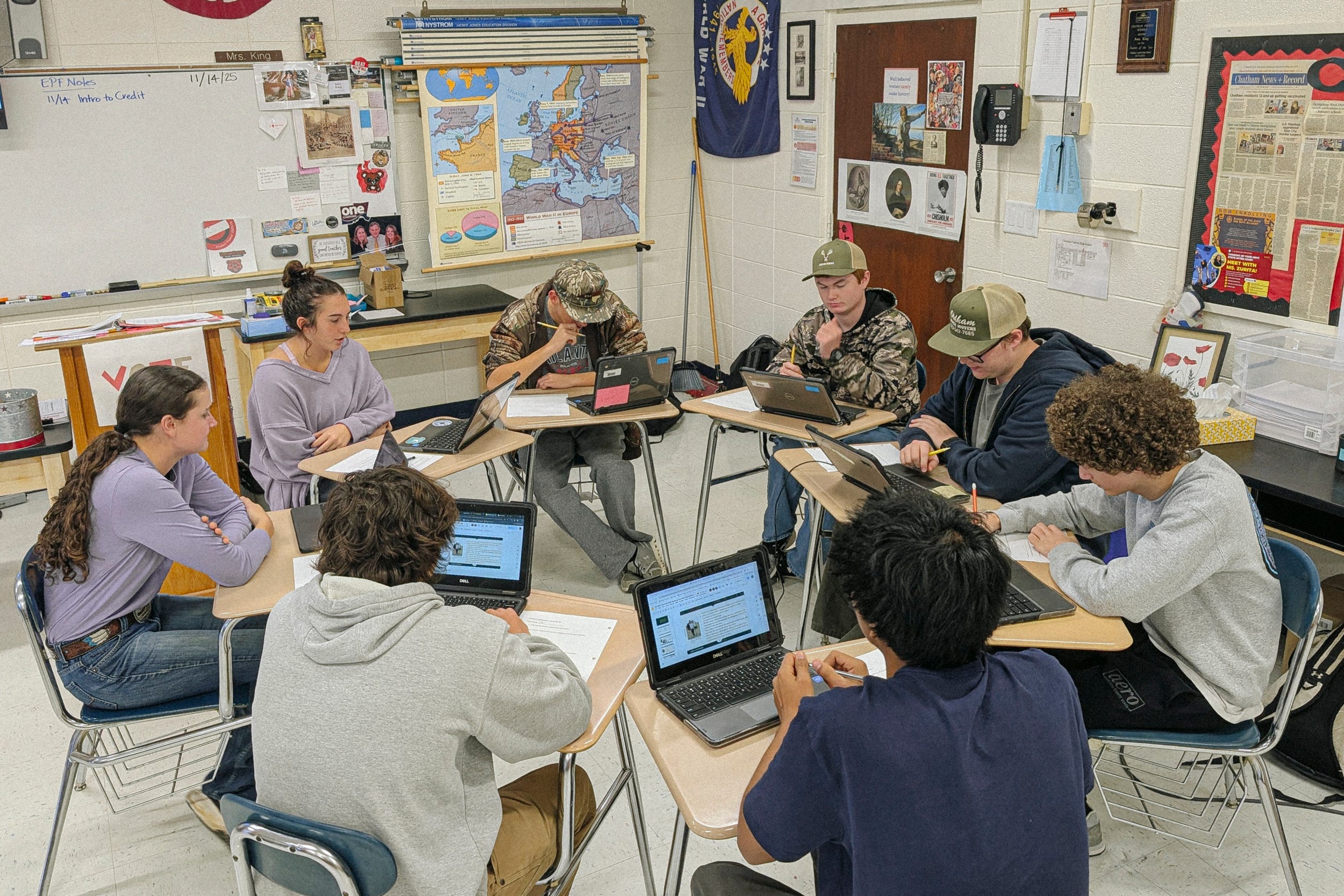
What I brought to the collaboration was a scrappy two-day lesson plan I’d cobbled together from The Camps America Built project website with zero education experience. What Amy did with it was astounding: she expanded the curriculum into a robust four-day program, weaving together historical inquiry, creative practice, research, and public speaking.
Meanwhile, Mary brought something no curriculum designer could supply: the weight of firsthand experience. As a former incarceree and retired educator, she understood instinctively how to make this history land for students who had no prior connection to it. She suggested that we center the origami crane, a symbol of peace and prayer in Japan, as the curriculum’s creative practice.
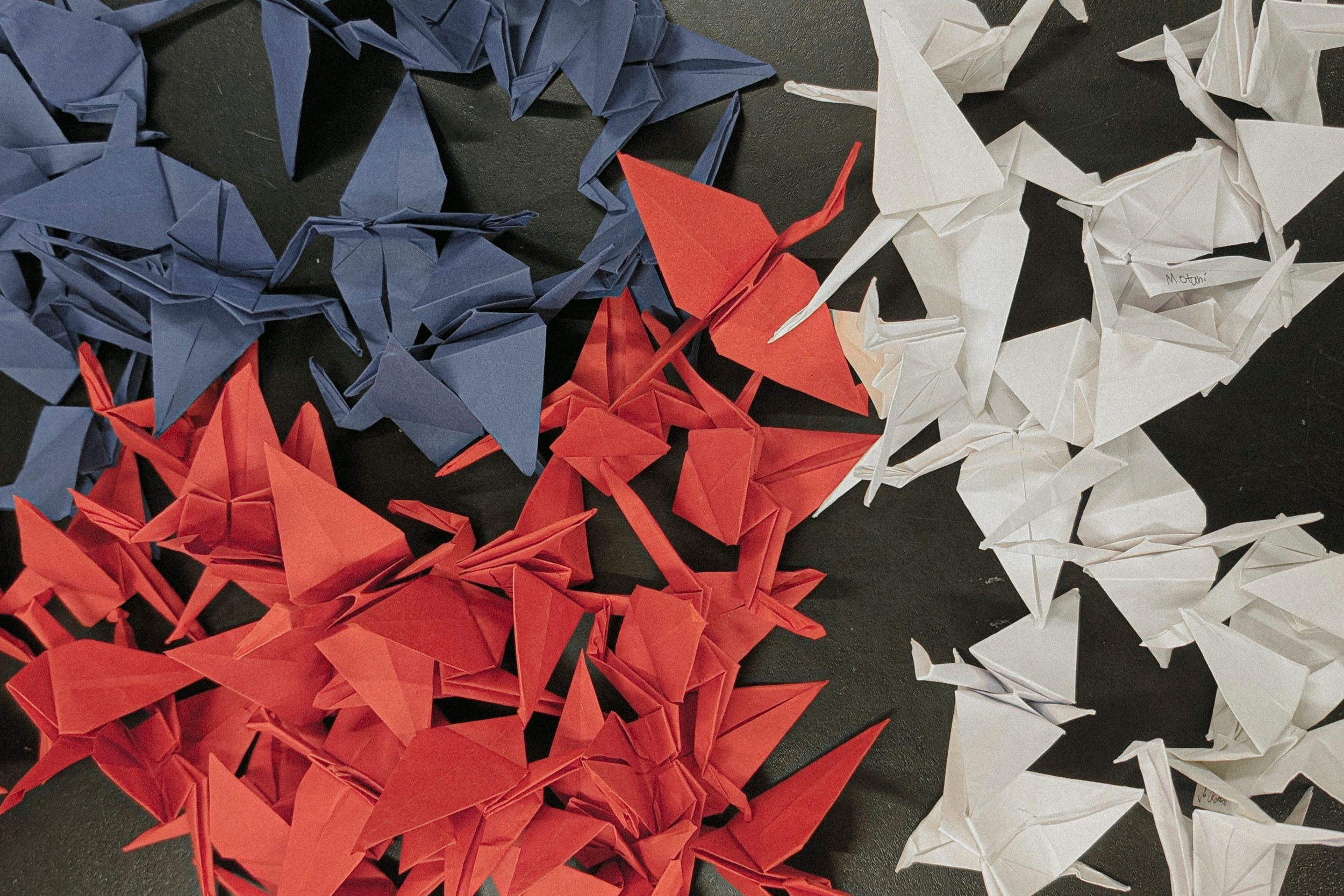
Amy invited Joanna Bolding, her school’s art teacher, to lead an origami workshop prior to her two-day history curriculum. Each student wrote the name of a former incarceree on a sheet of paper and folded it into a crane, transforming a craft exercise into a gesture of remembrance.
And when it became clear the curriculum could serve younger students, Amy invited Alisha Galloway, a local middle school teacher, to adapt the curriculum for a middle school audience.
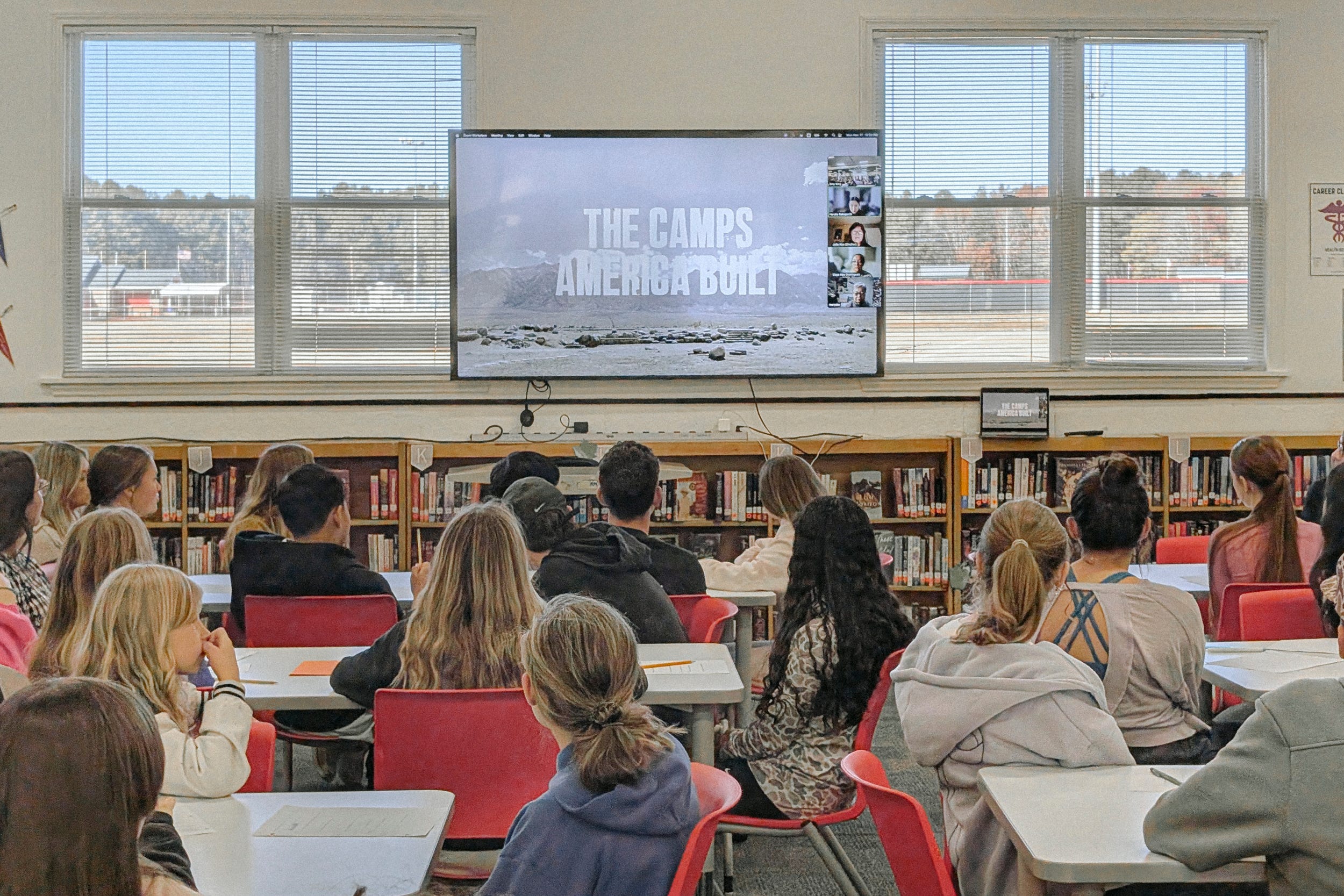
Central to Amy’s teaching philosophy is the belief that students should share what they’ve learned with an authentic audience. So she organized a student presentation at a local school board meeting and brought in her father, Julian Smith, a veteran teacher of 45 years, to train her students in public speaking in the weeks leading up to it.
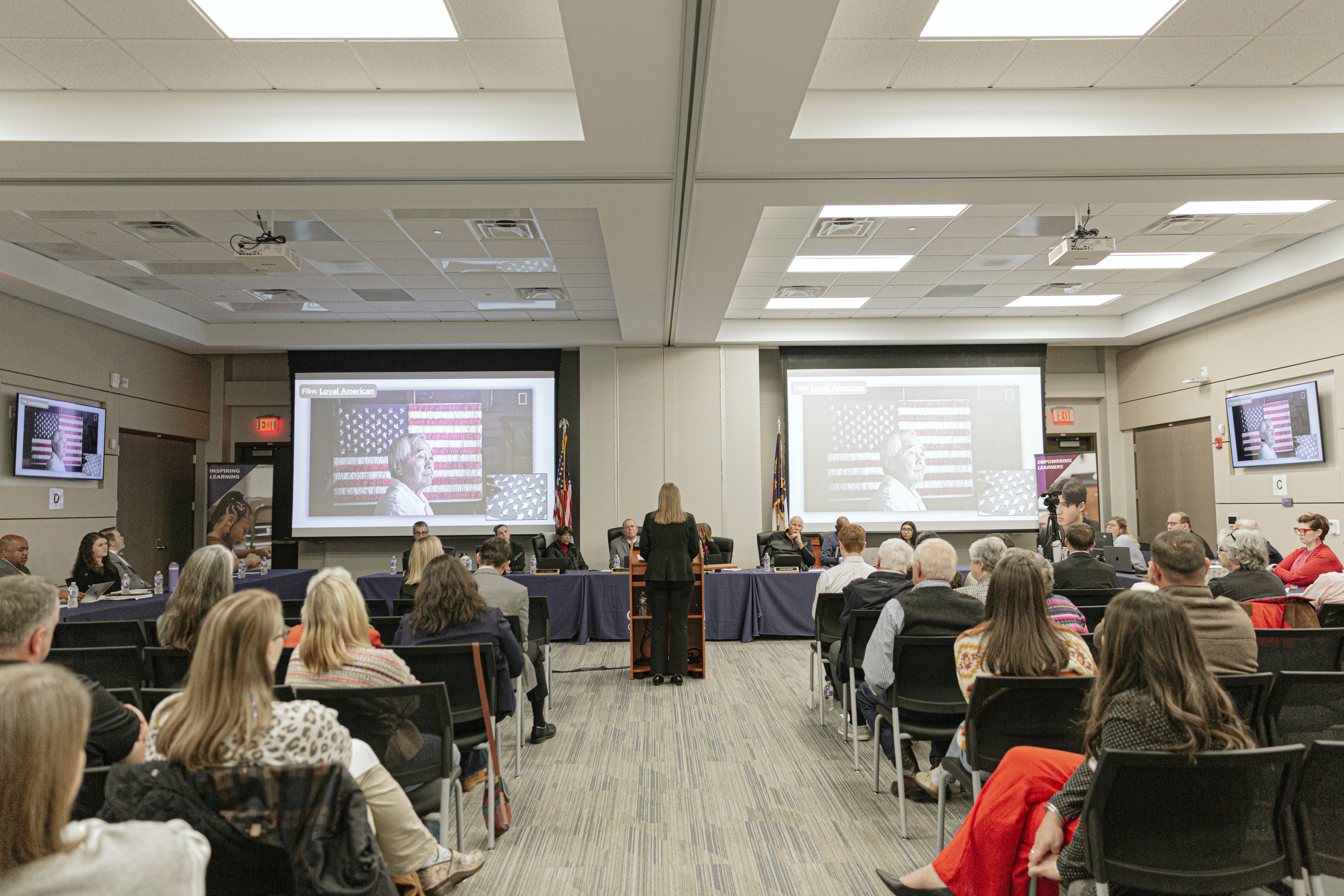
This January, I had the opportunity to visit Bear Creek to witness this presentation. What I encountered that evening moved me to tears.
Amy’s students stood at the front of the board room, and they each presented their research with confidence and specificity, describing the families they had studied on The Camps website. They talked about the loyalty questionnaire, the “no-no” boys, the tradition of pilgrimage. They shared, with care and conviction, how the incarceration of Japanese Americans is not Japanese American history, but American history.
At the end of the presentation, every speaker stood up and walked into the audience to distribute the origami cranes they had made. Watching a room full of young adults in rural North Carolina place cranes into the hands of their school board members, it dawned on me: these students didn't just learn the history. They became stewards of it.


I've spent years trying to make photographs that do what Ansel Adams’ photo of Manzanar didn't: center the human experience.
What I didn't realize was that the most powerful corrective to that photograph wasn’t another photograph. Instead, it was a young student handing their neighbor an origami crane.
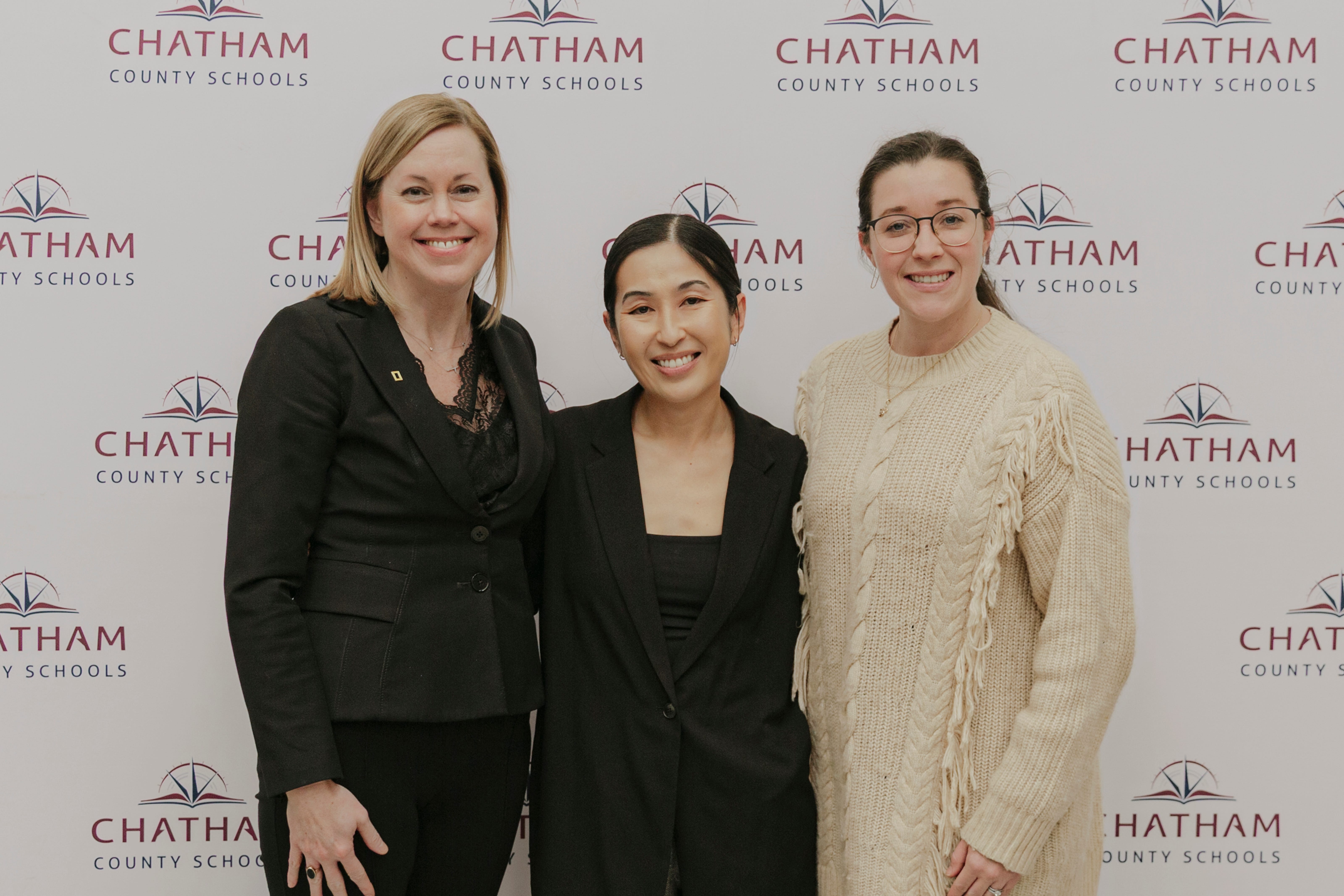
You can now explore the full StoryMap documenting our collaboration, including downloadable lesson plans for both middle and high school classrooms here.
It has been one of my life’s greatest privileges to work with Amy King and Mary Abo, who brought this curriculum to life through their dedication, expertise and creativity.
Special thanks to the students and staff of Chatham Central High School, including Principal Mary Margaret Dark, and the students and staff of Bennett School, including Principal Dr. Carla Neal. We are grateful to Chatham County Schools for supporting this project and documenting this collaboration through this moving short film directed by Emily Emrick with support from Gladys Alvarez.
And last but not least, thank you to Anastasia Cronin, Kip Hoffman, and Brynn Johnson of National Geographic Society for bringing us together through this program. You can explore the rest of the cohort’s work here.
I saw your presentation at the Japanese American National Museum in Los Angeles last weekend! Appreciate very much the presentation and all the effort and creativity you and Henry have put into this project
I think this project is what honest and empathetic education looks like! The Chatham students got it and now others can, too! Thank you National Geographic Explorer Project!